
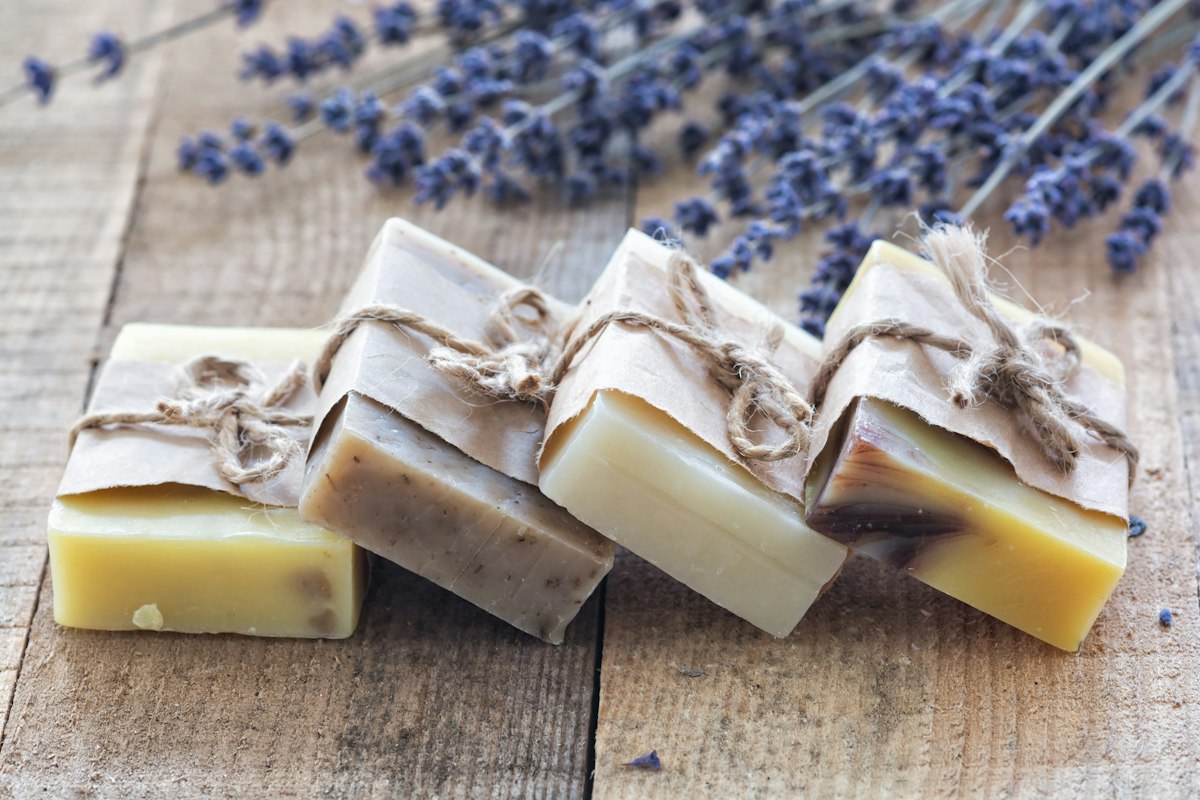
In a world overflowing with synthetic cleansers, chemical exfoliants, and lab-made serums, there’s something powerful about a cleanser that’s been handmade the same way for hundreds of years — and still outperforms most of what’s on the shelf. Meet African black soap, a centuries-old beauty tradition from West Africa that’s taken the natural skincare world by storm.
What Is African Black Soap?
African black soap — also known as ose dudu in Yoruba or alata samina in Ghana — is a traditional, plant-based soap originating with the Yoruba people of Nigeria and communities across West Africa, including Ghana, Togo, and Benin.
Unlike commercial soaps made with synthetic chemicals, African black soap is crafted entirely from natural ingredients:
- Plantain skin ash — rich in vitamins A, E, and iron
- Cocoa pod ash — packed with antioxidants
- Palm oil & palm kernel oil — natural moisturizers with essential fatty acids
- Shea butter — deep nourishment and protection
The traditional process involves sun-drying plantain skins and cocoa pods, then roasting them in a clay oven to produce ash. This ash is mixed with water, filtered, and combined with palm oil and shea butter. The mixture is cooked, stirred by hand for hours, and left to cure for about two weeks. No lye is added during saponification, which is what gives the soap its soft texture and gentle, moisturizing quality.
Proven Benefits for Your Skin
Deep Cleansing Without Stripping
African black soap gently removes dirt, excess oil, and impurities without stripping your skin of its natural moisture. Because it’s made without synthetic detergents, it cleanses effectively while keeping your skin’s barrier intact.
Natural Antibacterial Power
Studies have shown that African black soap has strong antibacterial properties — in some cases outperforming medicated soaps against common bacteria including E. coli and Staphylococcus aureus. This makes it particularly effective for acne-prone skin.
Gentle Exfoliation
The natural ash content provides mild exfoliation, helping to remove dead skin cells and reveal brighter, smoother skin underneath. With consistent use, many people notice a reduction in dark spots and more even skin tone.
Soothes Inflammation
The combination of shea butter, cocoa, and plantain in black soap gives it natural anti-inflammatory properties. It can help calm irritated skin, reduce redness, and provide relief for conditions like eczema and psoriasis.
How to Use African Black Soap
A little goes a long way. Here are some tips for getting the most out of your black soap:
- Lather in your hands first — don’t rub the bar directly on your face. Work up a lather and apply the foam gently.
- Start slow — if you’re new to black soap, use it every other day at first to let your skin adjust.
- Follow with a moisturizer — pair it with shea butter or a natural oil for best results.
- Store it dry — black soap absorbs water quickly, so keep it in a dry place between uses to make it last.
Not All Black Soap Is Authentic
As African black soap has grown in popularity, mass-produced imitations have flooded the market. Authentic black soap has a rough, uneven texture and a natural brown-to-black color. If the soap you’re looking at is perfectly smooth, jet black, or has a strong artificial fragrance — it’s likely not the real thing.
At Shea Experience, we carry authentic, traditionally made African black soap sourced directly from West Africa. Come see (and smell!) the difference at Yellow Green Farmers Market in Hollywood, FL, or shop our collection online.